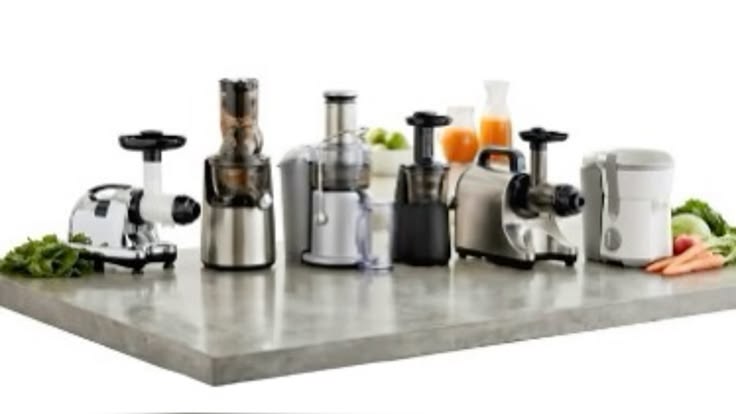
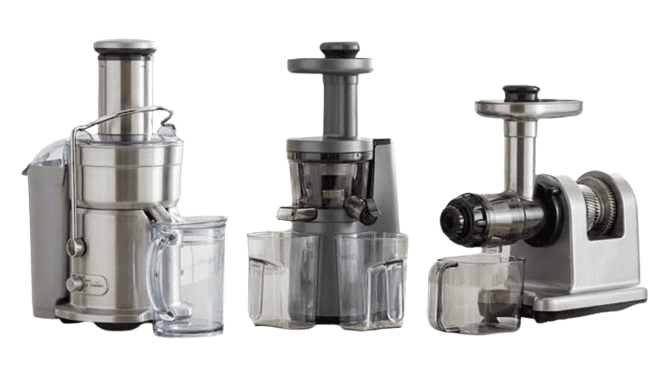
Electric Juicer Review is an essential topic for anyone evaluating modern kitchen appliances designed for efficient juice extraction. With a wide range of models available, understanding how electric juicers function, their key features, and how to choose the right one can significantly improve decision-making. This article provides a comprehensive, neutral, and practical overview to help readers assess electric juicers based on performance, usability, and durability.
What Is an Electric Juicer?
An electric juicer is a powered appliance designed to extract juice from fruits and vegetables by separating liquid from pulp. Unlike manual juicers, these devices use motor-driven mechanisms to automate the extraction process.
Common Types of Electric Juicers
| Type | Description | Best Use Case |
|---|---|---|
| Centrifugal Juicer | Uses high-speed spinning blades | Hard fruits and vegetables |
| Masticating Juicer | Uses slow crushing and pressing | Leafy greens and soft produce |
| Twin Gear Juicer | Uses dual gears for extraction | Maximum yield and efficiency |
| Citrus Juicer (Electric) | Designed for citrus fruits | Oranges, lemons, limes |
Key Features to Consider
When evaluating electric juicers, several technical and functional features should be examined carefully.
Motor Power
- Typically ranges from 200W to 1000W
- Higher wattage supports harder ingredients
- Lower-wattage models are often quieter
Speed Settings
- Single-speed: simple operation
- Multi-speed: better control for different produce types
Feed Chute Size
- Wide chute reduces preparation time
- A narrow chute requires pre-cutting ingredients
Pulp Control
- Adjustable pulp filters allow customization of juice texture
- Fixed filters offer limited flexibility
Build Material
- Stainless steel components increase durability
- BPA-free plastic is commonly used for safety compliance
Performance Evaluation Criteria
Juice Yield
Juice yield refers to the amount of liquid extracted from a given quantity of produce. Masticating and twin gear juicers generally produce higher yields compared to centrifugal models.
Noise Levels
- Centrifugal juicers tend to be louder due to high-speed motors
- Masticating juicers operate at lower noise levels
Ease of Cleaning
- Dishwasher-safe parts simplify maintenance
- Fewer detachable components reduce cleaning time
Durability
- Metal gears and reinforced components increase lifespan
- Overheating protection adds operational safety
Advantages of Electric Juicers
- Faster processing compared to manual methods
- Consistent extraction results
- Ability to handle a wide variety of ingredients
- Reduced physical effort
Limitations and Considerations
- Requires access to electricity
- Some models occupy significant counter space
- Cleaning can be time-consuming, depending on the design
- Higher initial cost compared to manual alternatives
Practical Tips for Beginners
Choosing the Right Type
- Select centrifugal models for speed and convenience
- Choose masticating models for versatility and efficiency
Preparing Ingredients
- Wash thoroughly before juicing
- Cut large items to fit the feed chute
- Remove non-edible parts such as seeds or thick peels
Operating Safely
- Do not overload the feed chute
- Follow the manufacturer’s instructions for assembly
- Allow the motor to rest if overheating occurs
Maintenance Tips
- Clean immediately after use to prevent residue buildup
- Use cleaning brushes for mesh filters
- Dry components fully before storage
Example Comparison Table
| Feature | Centrifugal | Masticating |
|---|---|---|
| Speed | High | Low |
| Noise | Higher | Lower |
| Juice Yield | Moderate | High |
| Cleaning | Moderate | Easier |
| Price Range | Lower to mid | Mid to higher |
Common Use Scenarios
Daily Household Use
Electric juicers are suitable for the routine preparation of fresh juice with minimal manual effort.
Small Kitchens
Compact models with vertical designs help save space while maintaining functionality.
Multi-Ingredient Processing
Masticating and twin gear juicers are more effective for mixed ingredient processing, including leafy greens.
Conclusion
Electric juicer review highlights the importance of understanding appliance types, features, and performance metrics before making a selection. Each type of electric juicer offers distinct advantages depending on usage needs, ingredient types, and operational preferences. Careful evaluation of motor power, cleaning requirements, and durability ensures a practical and efficient choice. A well-selected electric juicer can provide consistent results while aligning with functional kitchen requirements.
Read more: 10 Essential Tools for Juice Making
Read more: 10 Juicers for Making Juice