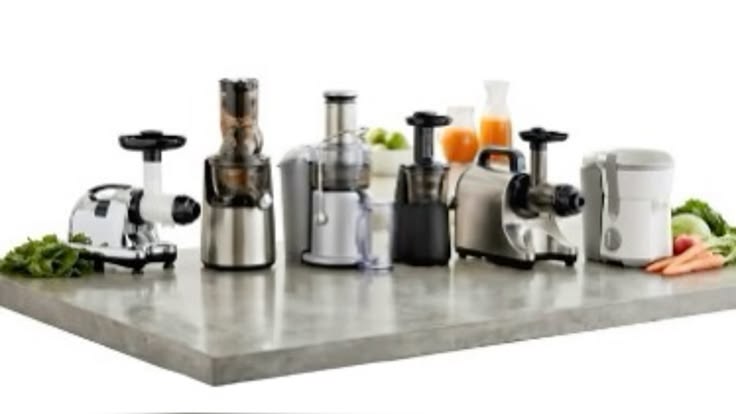

Beginner Juicer Review: Is It Easy to Use and Clean? This question is one of the most common starting points for anyone considering a juicer for the first time. Understanding usability and maintenance is essential before investing in any kitchen appliance, especially one with multiple components and daily-use potential. This article provides a comprehensive, neutral, and practical evaluation of beginner juicers, focusing specifically on ease of use and cleaning.
Why Ease of Use and Cleaning Matter
For beginners, complexity can quickly lead to frustration. A juicer that is difficult to assemble, operate, or clean may discourage consistent use. Key considerations include:
- Time efficiency in preparation and cleanup
- Ease of assembly and disassembly
- Clarity of instructions and controls
- Maintenance requirements over time
A user-friendly design reduces operational errors and ensures a smoother learning curve.
Types of Beginner Juicers and Their Usability
Different juicer types vary significantly in complexity and cleaning requirements.
Centrifugal Juicers
These are commonly recommended for beginners due to their straightforward design.
Features:
- Fast operation using high-speed spinning blades
- Wide feed chute reduces pre-cutting
- Simple control settings
Ease of Use:
- Minimal setup required
- Quick start functionality
Cleaning:
- Multiple parts, but generally easy to rinse
- The mesh filter may require brushing
Masticating (Slow) Juicers
These operate at lower speeds and involve a different extraction method.
Features:
- Single auger system
- Slower processing
- Often quieter than centrifugal models
Ease of Use:
- Slightly more assembly required
- Slower feeding process
Cleaning:
- Fewer parts but more detailed cleaning
- Pulp outlet and auger need thorough rinsing
Manual Juicers
Manual options are the simplest mechanically.
Features:
- No electricity required
- Compact design
Ease of Use:
- Requires physical effort
- Straightforward operation
Cleaning:
- Very easy due to fewer components
- Typically dishwasher-safe
Key Features That Improve Ease of Use
When evaluating beginner juicers, certain design elements significantly impact usability.
Simple Assembly Design
Look for:
- Clearly labeled parts
- Snap-fit or lock-in mechanisms
- Minimal components
Intuitive Controls
- Single-button operation
- Clearly marked speed settings
- Safety lock features
Wide Feed Chute
- Reduces preparation time
- Allows larger pieces of produce
Cleaning Process: Step-by-Step Overview
Understanding the cleaning workflow is essential before purchase.
Typical Cleaning Steps
- Disassemble the juicer
- Rinse removable parts immediately
- Use a brush for filters or mesh screens
- Dry components before reassembly
Time Required
| Juicer Type | Average Cleaning Time |
|---|---|
| Centrifugal | 5–10 minutes |
| Masticating | 7–12 minutes |
| Manual | 2–5 minutes |
Common Cleaning Challenges
Even beginner-friendly juicers may present minor difficulties.
Mesh Filter Residue
- Fine pulp can clog small holes
- Requires a dedicated cleaning brush
Staining
- Certain ingredients may leave marks
- Prompt rinsing helps prevent buildup
Multiple Small Parts
- Easy to misplace
- Requires organized storage
Practical Tips for Beginners
To simplify both usage and cleaning, consider the following:
Before Juicing
- Pre-cut ingredients into manageable sizes
- Read the instruction manual carefully
- Assemble the juicer on a stable surface
During Use
- Feed ingredients gradually
- Avoid overloading the chute
- Monitor pulp output for consistency
After Juicing
- Clean immediately to prevent residue buildup
- Soak parts briefly if needed
- Use a soft brush to protect components
Maintenance and Longevity Considerations
Ease of cleaning directly impacts the lifespan of the juicer.
Routine Maintenance
- Inspect seals and blades regularly
- Ensure parts are completely dry before storage
Replacement Parts
- Filters and seals may require periodic replacement
- Availability of spare parts varies by model
Comparing Ease of Use vs Cleaning
| Factor | Ease of Use | Ease of Cleaning |
|---|---|---|
| Centrifugal | High | Moderate |
| Masticating | Moderate | Moderate |
| Manual | Moderate | High |
Final Evaluation: Is It Easy to Use and Clean?
For beginners, most entry-level juicers are designed with usability in mind. Centrifugal models typically offer the easiest operation, while manual juicers excel in cleaning simplicity. Masticating juicers may require a slightly steeper learning curve but remain manageable with regular use.
Overall, ease of use and cleaning depend on:
- The type of juicer selected
- The number of components
- The user’s familiarity with assembly and maintenance
Conclusion
Beginner juicers are generally easy to use and clean when designed with simplicity and practicality in mind. By selecting a model with intuitive controls, minimal parts, and straightforward cleaning requirements, users can significantly reduce effort and improve efficiency. Understanding the differences between juicer types and following proper maintenance practices ensures a smooth and consistent experience over time.
Read more: 10 Essential Tools for Juice Making
Read more: 10 Juicers for Making Juice